

• Zum Hauptinhalt springen
  • Zum Footer springen

Biostroke Me...

Welcome

Program

Registration

Speakers

Organizers

Abstract Submission

Venue

BIOSTROKE Meeting 2026

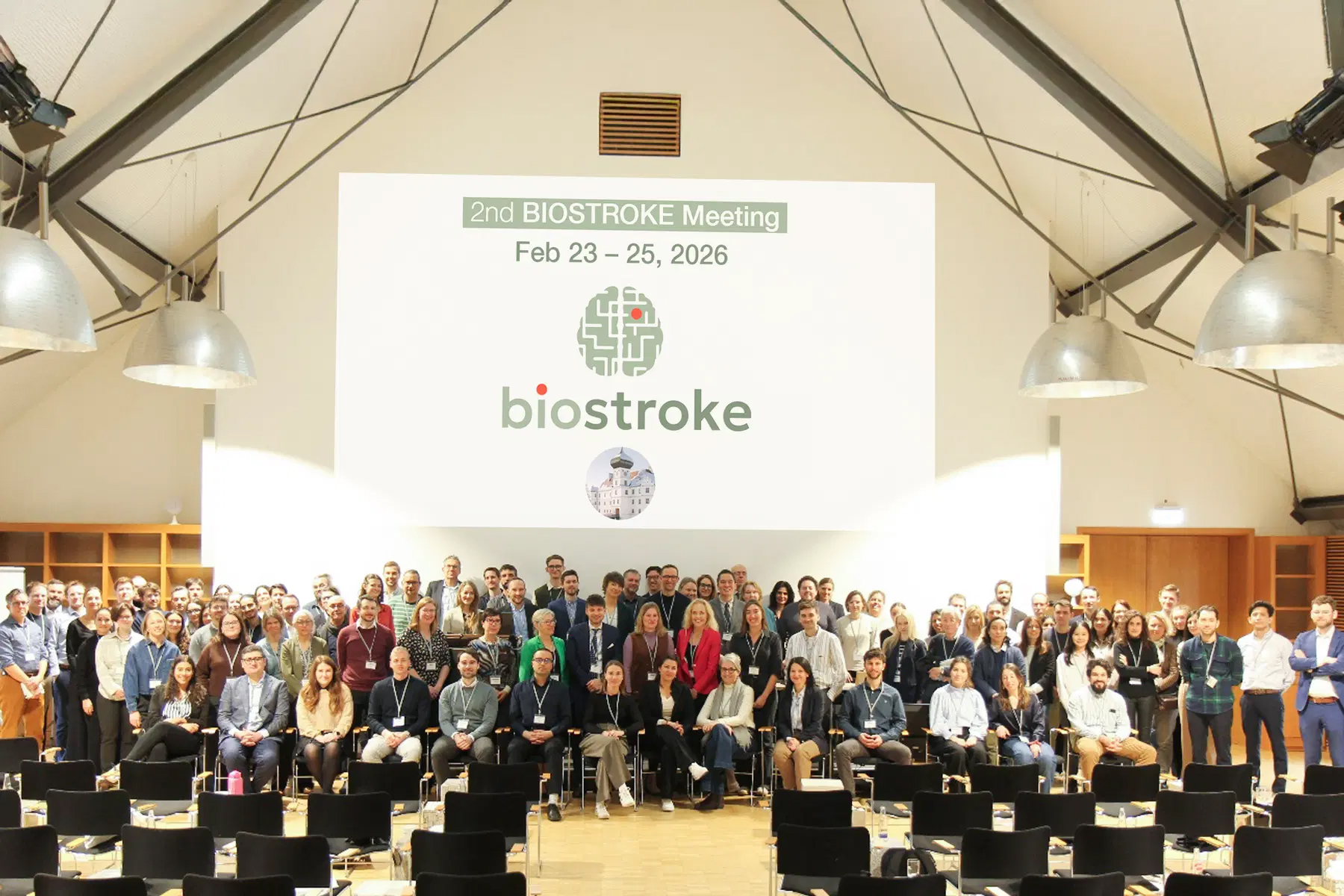
We cordially invite you to join the 2nd BIOSTROKE Meeting,
taking place at the historic Hohenkammer Castle near Munich from February 23 to 25, 2026.

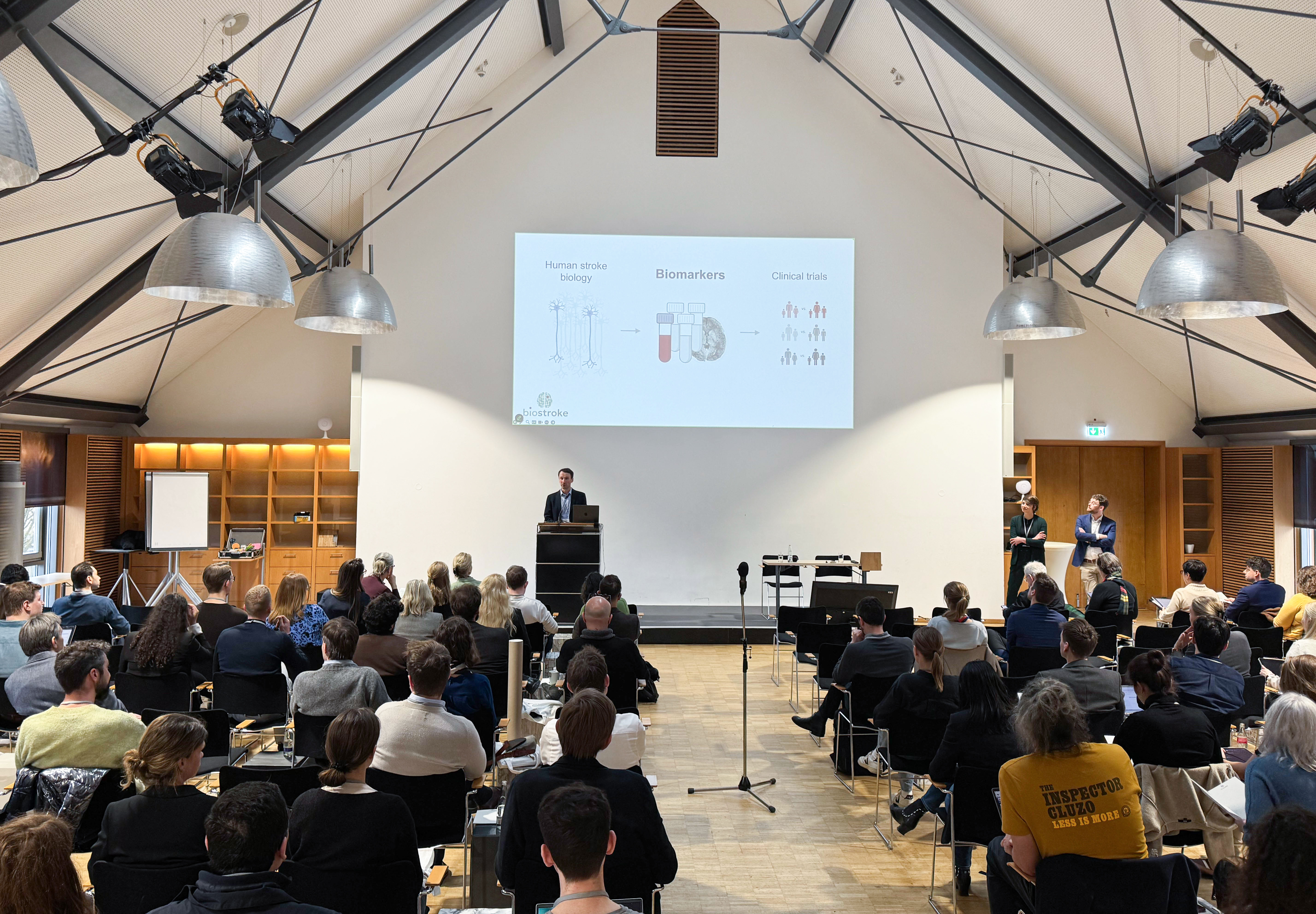
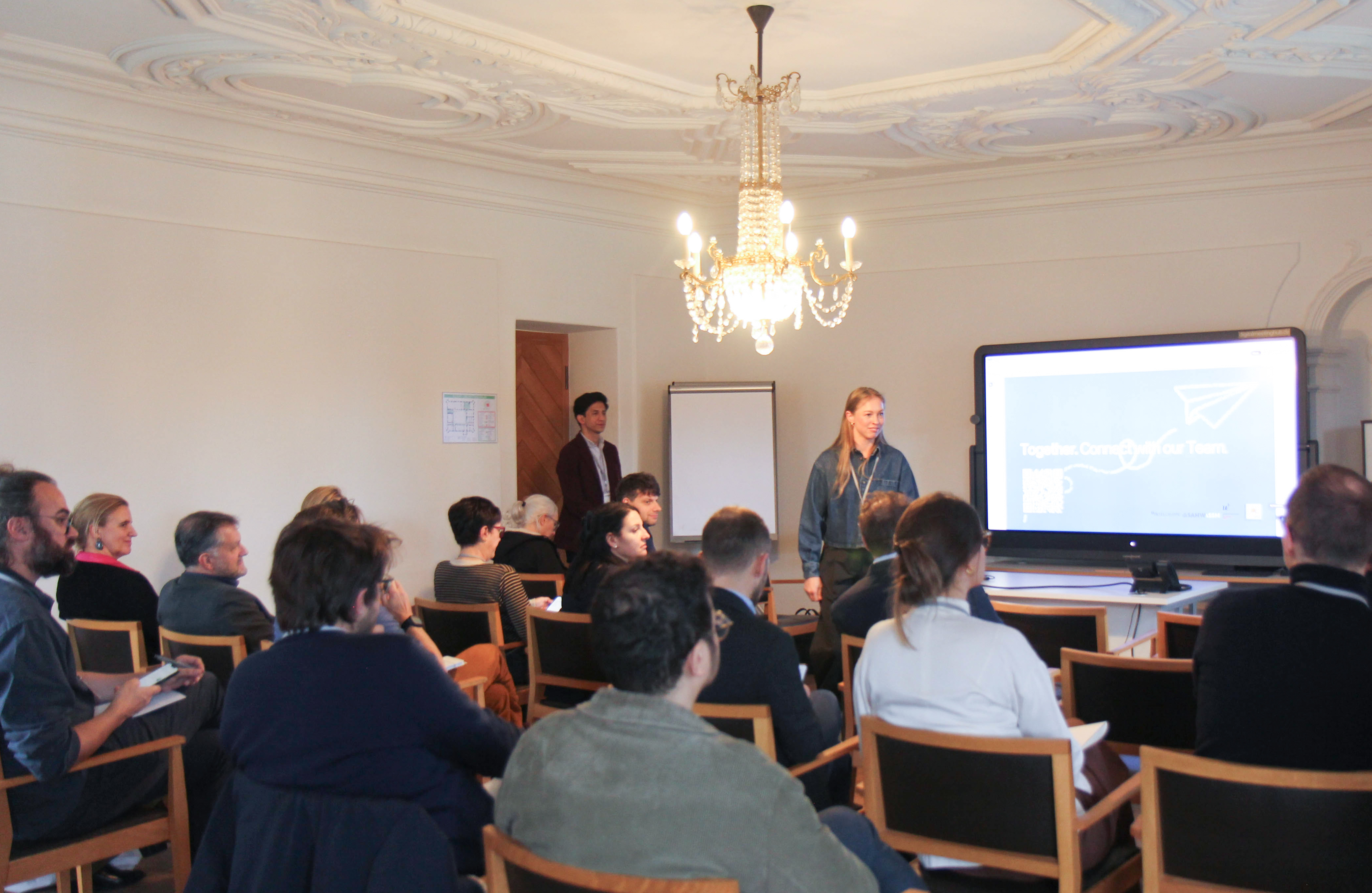
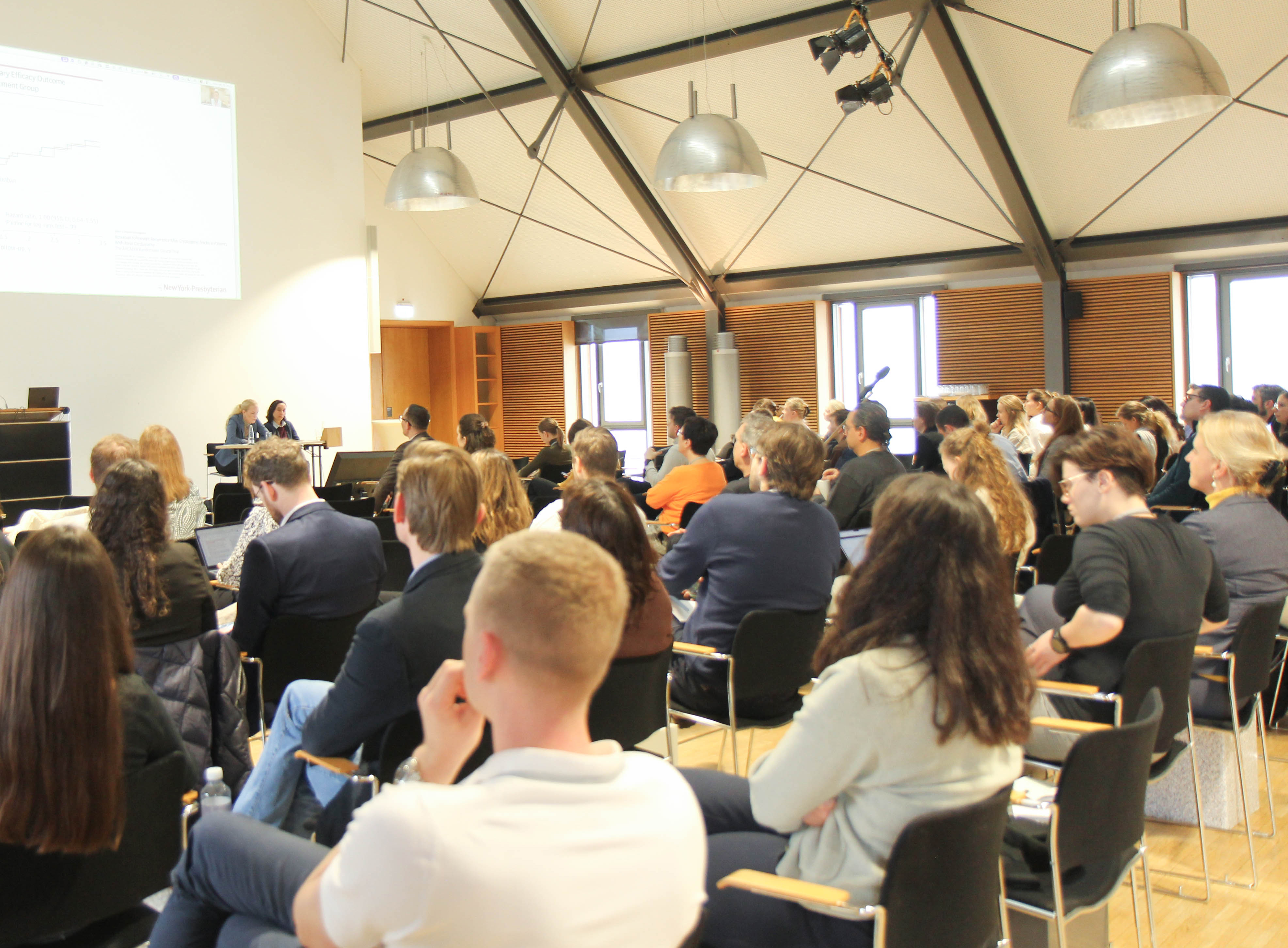
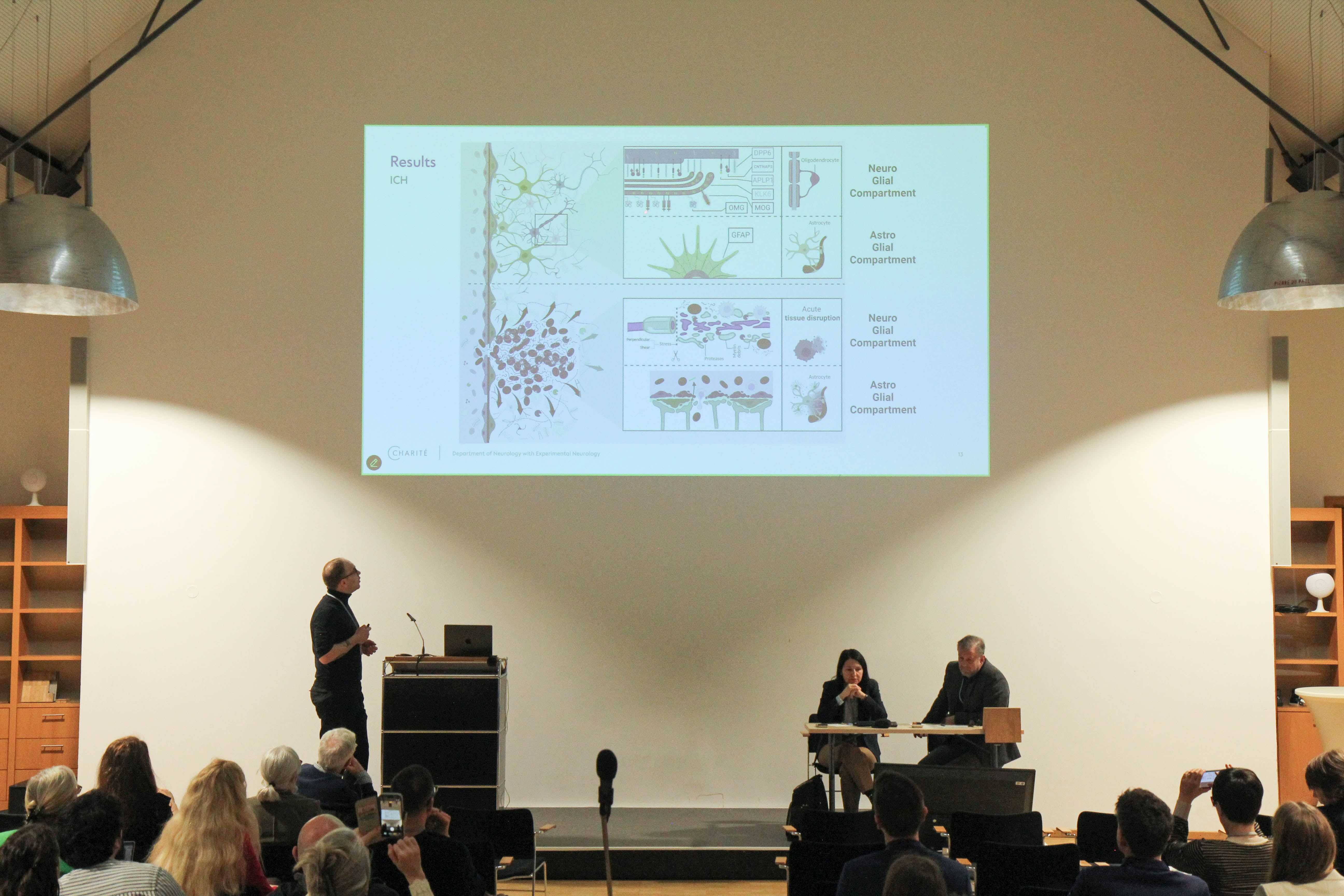
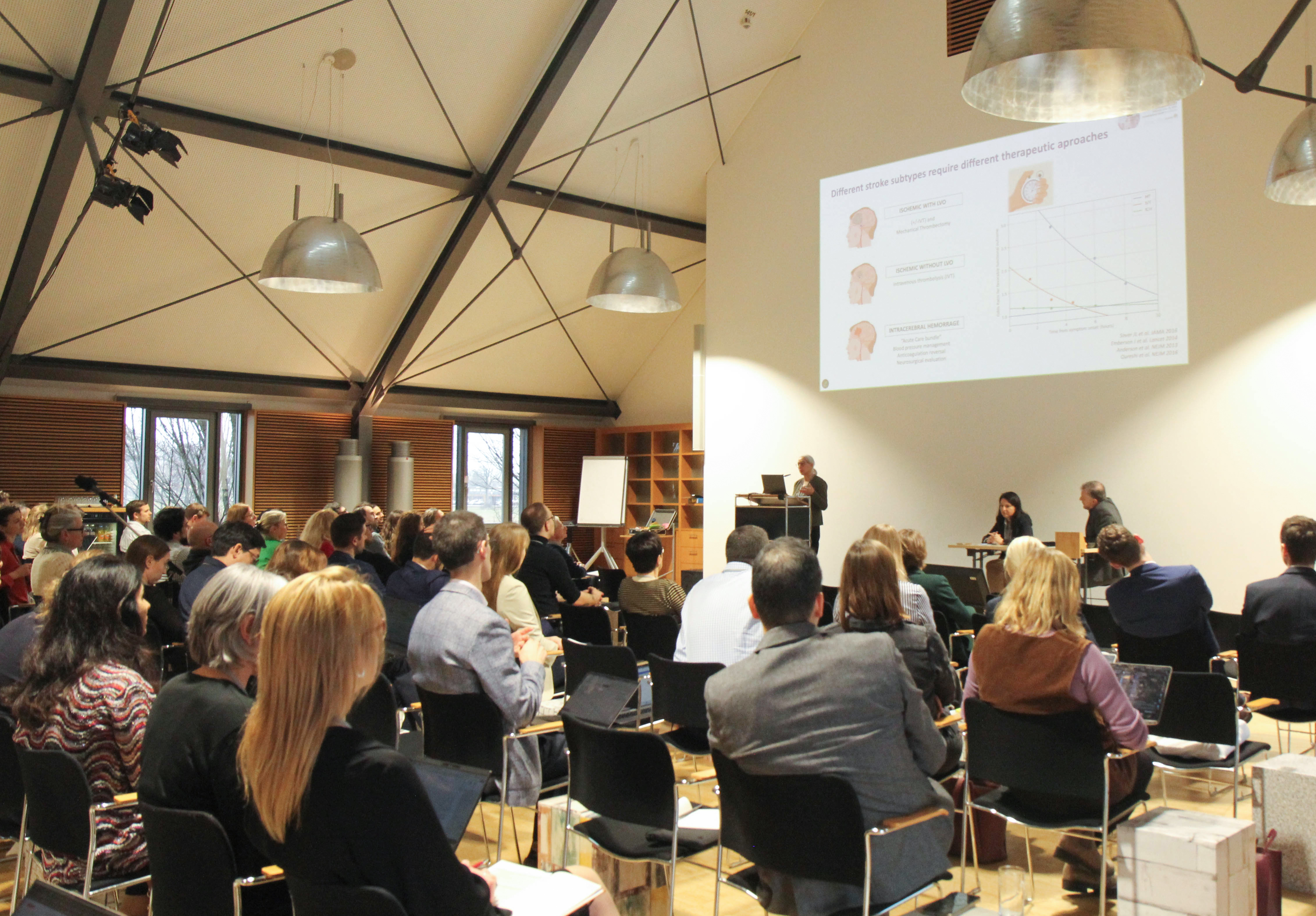
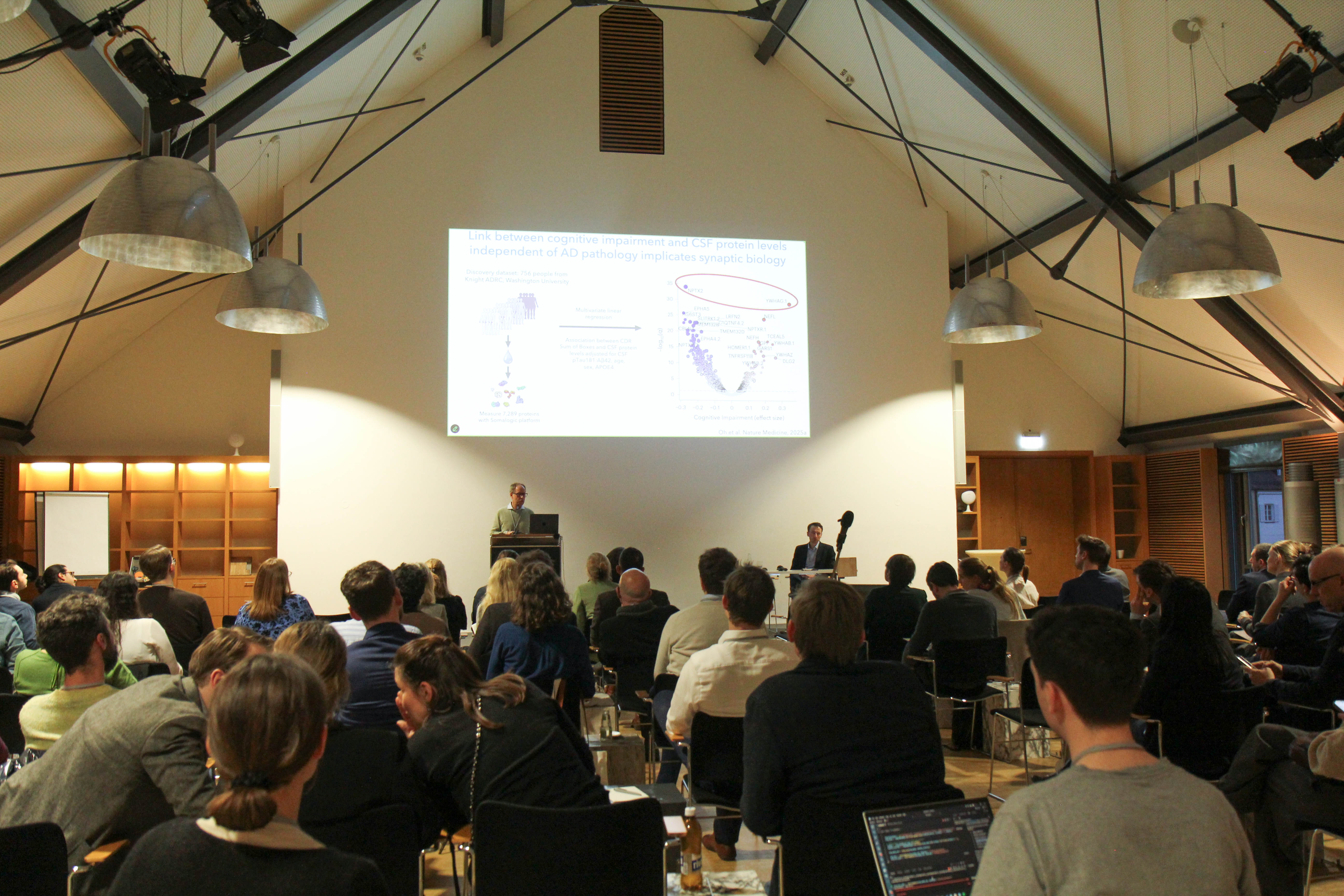
BIOSTROKE offers a unique platform to advance biomarker science in stroke care and foster interdisciplinary collaboration between experts in stroke biomarker research, cardiovascular medicine, and neuroscience. Bringing together 120 participants, the meeting will facilitate in-depth scientific exchange on the most pressing, unsolved challenges in clinical decision-making with sessions across the stroke care continuum – from prehospital management to secondary prevention and long-term recovery. The program features talks by internationally recognized leaders, alongside presentations selected from submitted abstracts. The format prioritizes open discussion and informal interactions among scientists of all career levels.

BIOSTROKE is endorsed by the European Stroke Organization (ESO) and the European Society of Minimally Invasive Neurological Therapy (ESMINT). CME/CPD accreditation is currently in process. Participation requires registration via this website and is on a first-come, first-served basis.

We look forward to welcoming you in Munich in February 2026!
John McCabe, Johanna Ospel, Steffen Tiedt

Timeline: 
• Registration: open until all seats are taken
• Abstract submission deadline: Dec 8, 2025
• Notification of abstract acceptance: Jan 6, 2026

PROGRAM

Day 1: Monday, Feb 23

12.00 – 13.00

Registration and light lunch in the lobby

13.00 – 13.05

Welcome note: John McCabe, Johanna Ospel, Steffen Tiedt

13.05 – 15.00

Intracerebral hemorrhage – Chairs: María Alonso de Leciñana, Umberto Pensato

Perspectives on the high burden of ICH – what do we know? Karin Klijn, Nijmegen

ICH progression: pathophysiological concepts and biomarkers Neshika Samarasekera, Edinburgh

Evolution patterns of spot sign to stratify intracerebral hemorrhage expansion risk Umberto Pensato, Milan / Selected abstract talk

Brain-derived tau for assessing neuronal injury in intracerebral hemorrhage Naomi Vlegels, Munich / Selected abstract talk

Diagnostic and prognostic biomarkers for CAA Marieke Wermer, Leiden

15.00 – 15.30

Coffee break

15.30 – 17.30

Novel technologies and concepts – Chairs: Susanne Wegener, Beom Joon Kim

The gut microbiome in stroke: biomarker and treatment target? Corinne Benakis, Munich

Circulating metabolites are biomarker candidates for stroke risk prediction – results from the BiomarCaRE consortium Märit Jensen, Hamburg / Selected abstract talk

The glymphatic system in stroke: biomarker and treatment target? Lauren Hablitz, Rochester

Portable MRI: can serial MR imaging with portable devices guide clinical management? Taylor Kimberly, Boston

Association between time and severe hypoperfusion with risk of hemorrhagic transformation in stroke patients Umberto Pensato, Milan / Selected abstract talk

17.30 – 18.30

Keynote lecture – Chair: Steffen Tiedt 

Blood testing to track organ health and ageing
Tony Wyss-Coray, Stanford

18.30 – 19.30

Welcome reception

19.30

Dinner

Day 2: Tuesday, Feb 24

8.30 – 10.30

Prehospital care – Chairs: Laura Gioia, Heinrich Audebert

Troponin to guide hospital admission – a cardiologist’s perspective on prehospital biomarkers Niels van Royen, Nijmegen

Prehospital detection of LVO and ICH – when & where does it matter? Natalia Perez de la Ossa, Barcelona

Berlin prehospital collection of biosamples in stroke and other emergencies – B_PRECISE Kian Röhrs, Berlin / Selected abstract talk

Clinical scales and molecular biomarkers for prehospital stroke triage Chris Price, Newcastle

Prehospital detection of large vessel occlusion using biomarkers and clinical variables in mobile stroke units Leire Azurmendi Gil, Geneva / Selected abstract talk

10.30 – 11.00

Coffee break

11.00 – 13.00

Stroke progression and recovery – Chairs: Naomi Vlegels, Bastian Cheng

Imaging-based selection of patients for acute stroke trials: challenges and perspectives Frédéric Clarençon, Paris

Surrogate markers of treatment effects in acute stroke trials Michael Hill, Calgary

Integrated multi-omics factor analysis identifies early molecular signatures of brain injury in ischemic stroke Cao Wei, Munich / Selected abstract talk

Biomarkers for motor recovery: predicting outcomes and guiding rehabilitation in stroke Cathy Stinear, Auckland

Plasma NfL and GFAP in acute stroke: clinical determinants and prognostic value for 5-year cognitive outcomes Jule Filler, Munich / Selected abstract talk

13.00 – 14.00

Lunch

14.00 – 14.45

BIOSTROKE session

Keynote Lecture – Chair: John McCabe

How to build a successful biomarker consortium – insights from BiomarCaRE Tanja Zeller, Lübeck

14.45 – 16.15

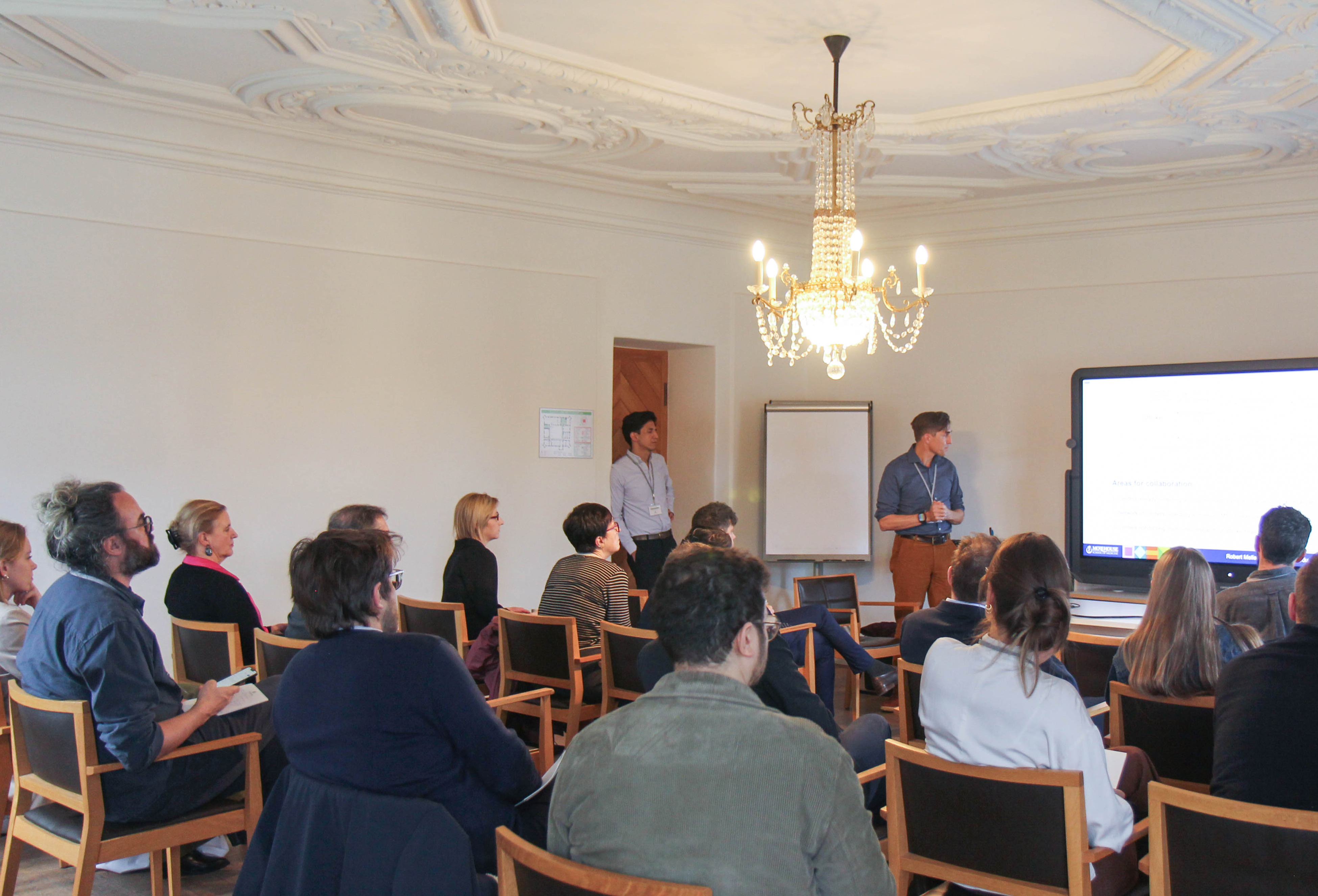
Working groups breakout-session

16.15 – 17.30 

International collaboration at scale in biomarker research: benefits, tips, and pitfalls. Chair: John McCabe

Rapid communications:

Sample sharing initiatives at scale: how I did it and what I should have considered Gerrit Grosse, Basel & Steffen Tiedt, Munich

Imaging data sharing across centers: practical tips, technical & logistical considerations Susanne Wegener, Zurich

The International Stroke Genetics Consortium: history, structures, and succes Israel Fernandez, Barcelona

Embedding biomarker substudies in RCTs: balancing opportunity with feasibility Michael D. Hill, Calgary

Data standardisation in stroke biomarker research: why it matters and how can we do better? John McCabe, Dublin & Steffen Tiedt, Munich & Johanna Ospel, Calgary

17.30 – 19.00

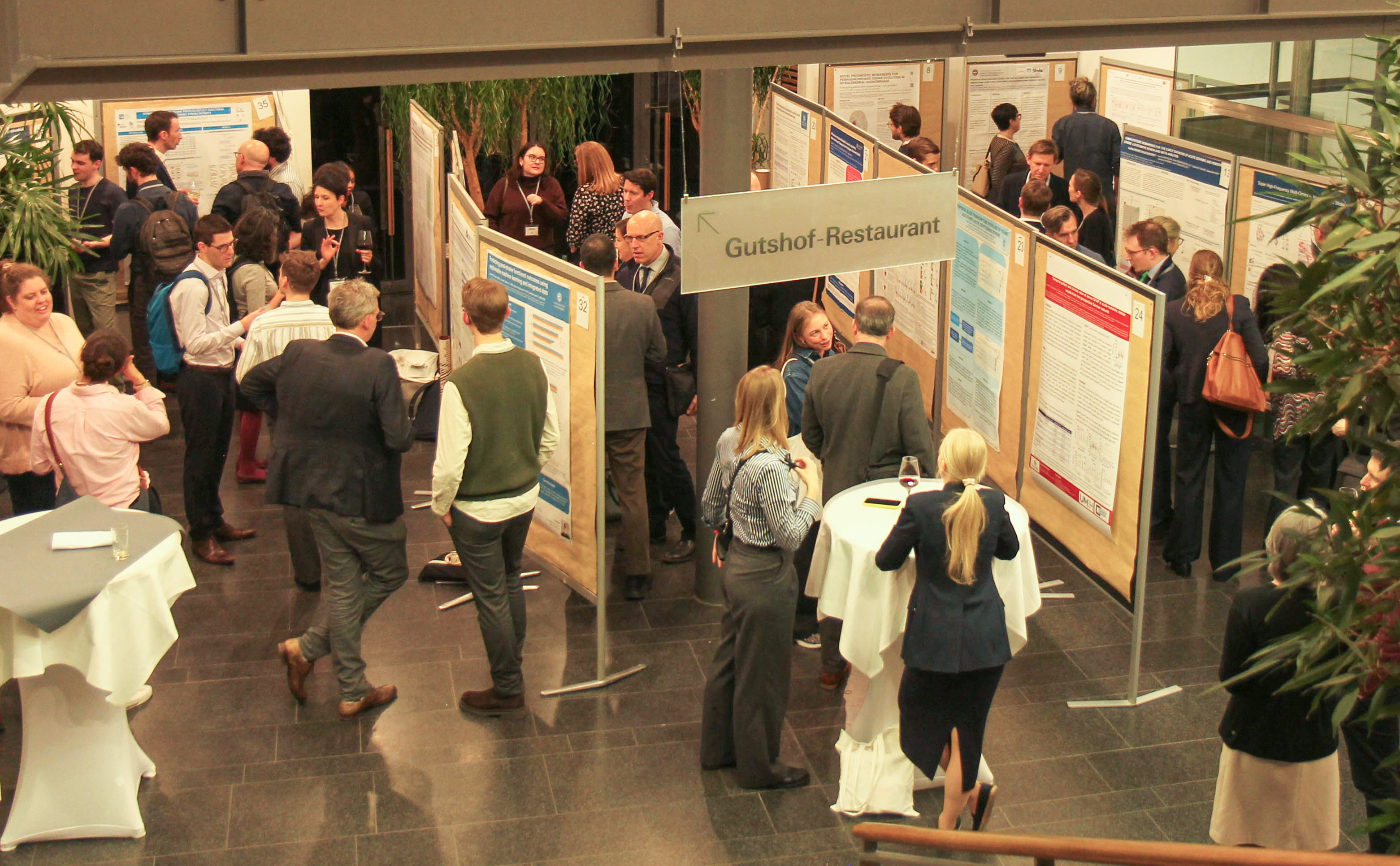
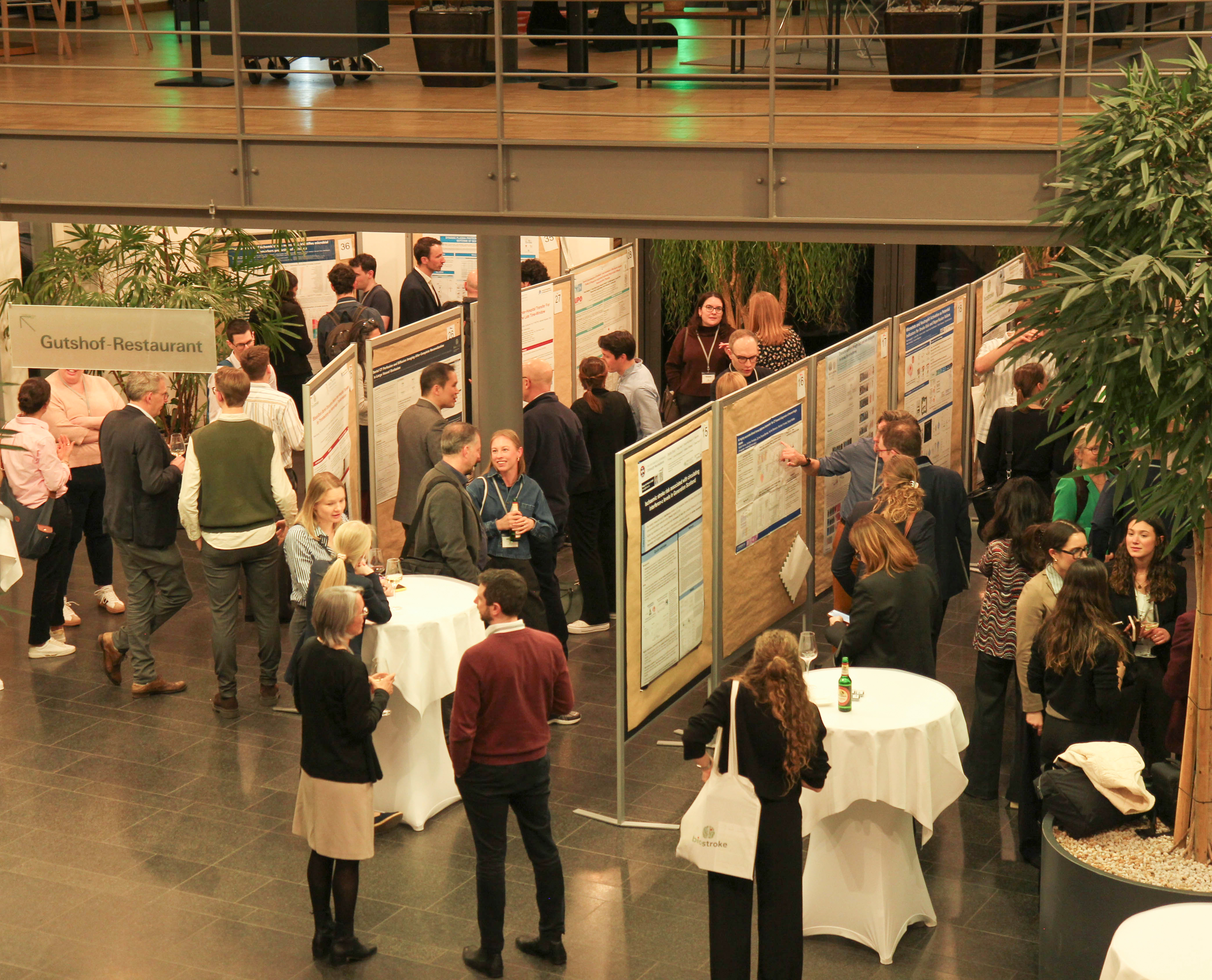
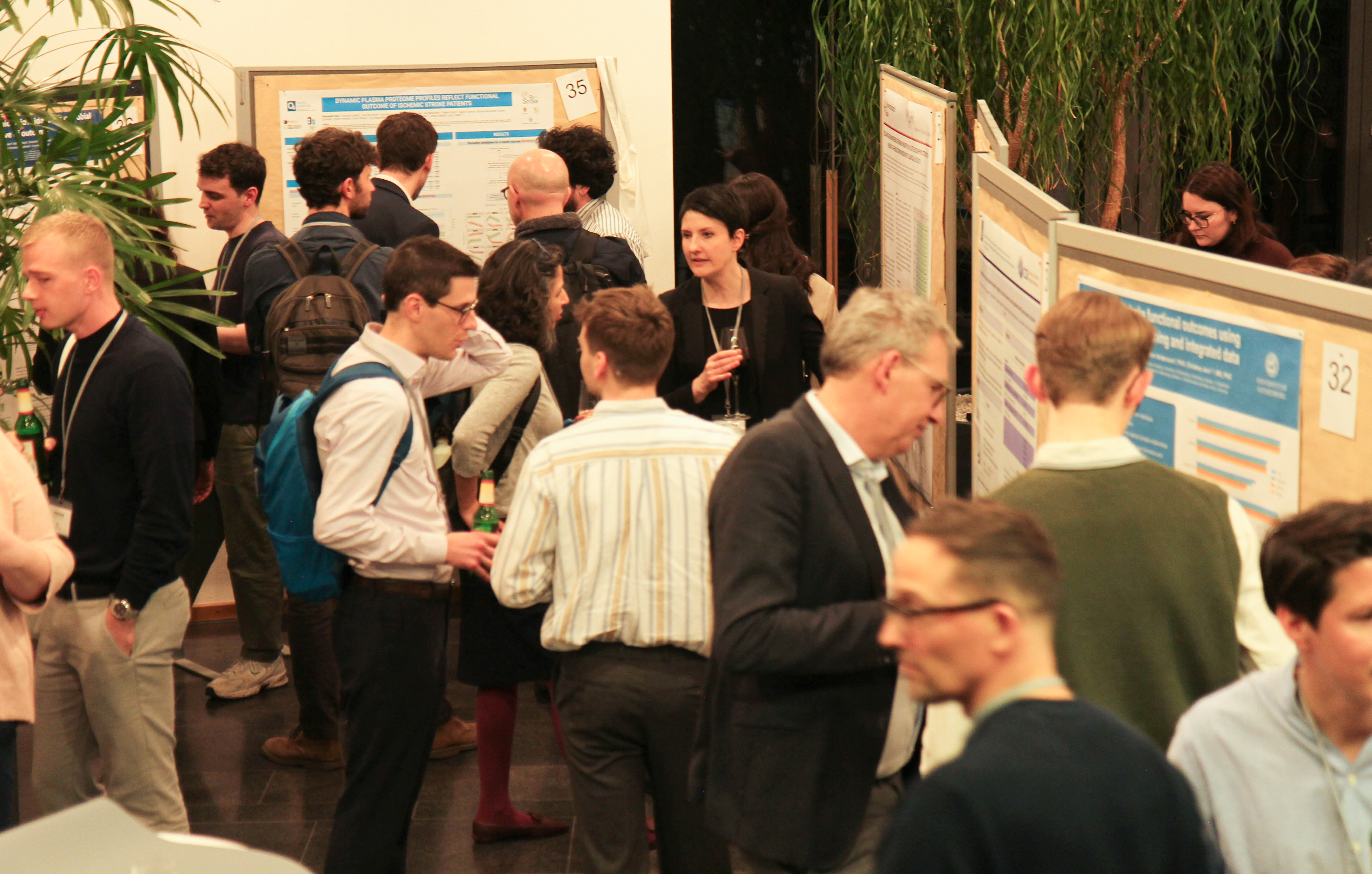
Poster session (with wine and snacks) 

19.00

Dinner

Day 3: Wednesday, Feb 25

8.30 – 10.00

Atrial cardiopathy – Chairs: Julia Aulin, Ana Catarina Fonseca

AF burden revisited: biomarker and treatment target Märit Jensen, Hamburg

Plasma proteomic profiles linked to post-stroke myocardial injury Jan Scheitz, Berlin / Selected abstract talk

Biomarker-guided patient selection for anticoagulation trials Hooman Kamel, New York

Symmetric dimethylarginine for risk stratification of cardioembolic stroke etiology Gerrit Große, Basel / Selected abstract talk

10.00 – 10.30

Coffee break

10.30 – 12.20

Vascular disease – Chairs: Annaelle Zietz, Gerrit Grosse

Imaging-based selection of patients for intervention and secondary prevention trials Anna Kopczak, Munich

Inflammatory mediators of stroke risk John McCabe, Dublin

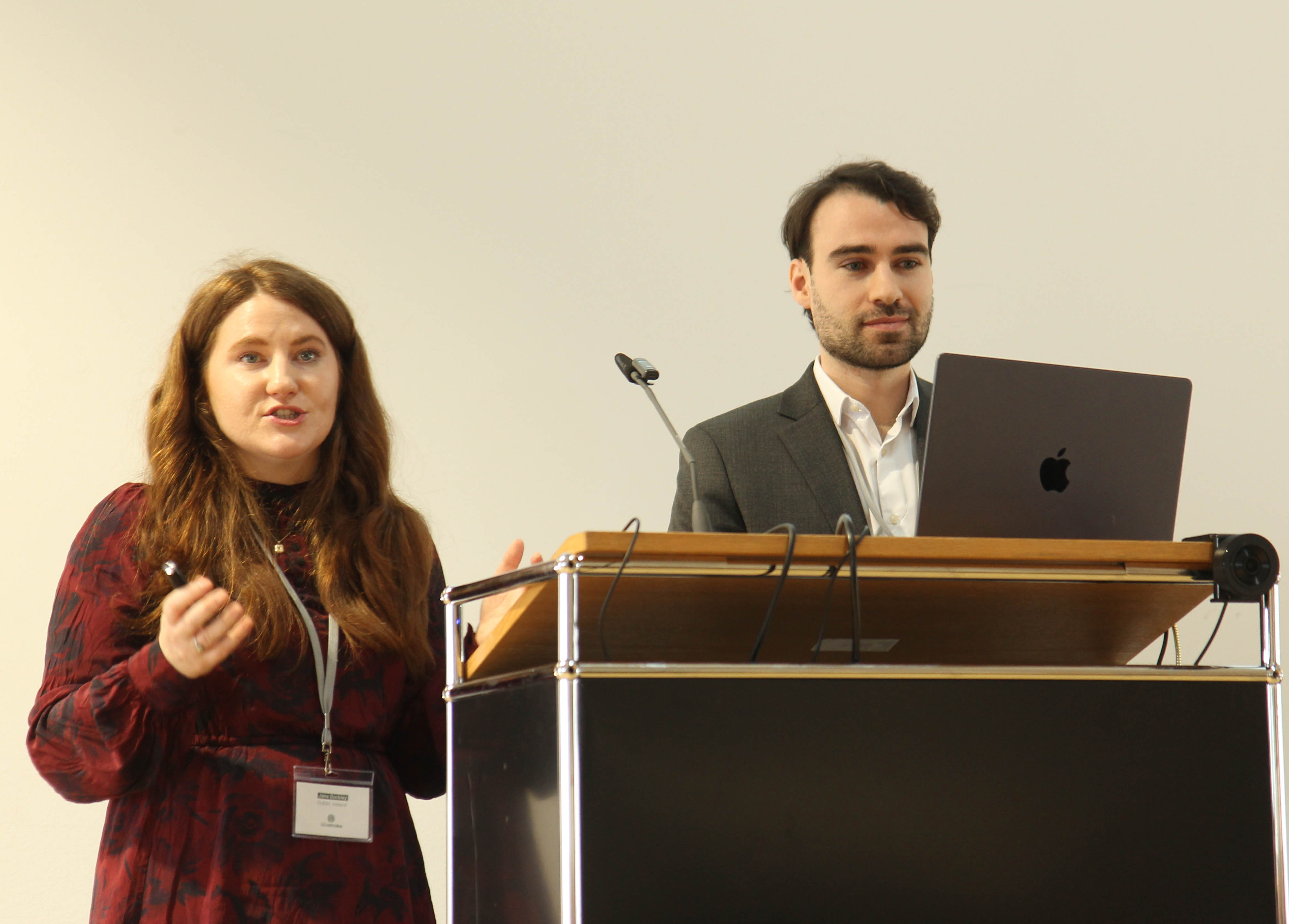
TNF signalling and risk of stroke Jane Buckley & Stephen Brennan, Dublin / Selected abstract talk

Paired plasma-thrombus proteomics identify inflammation as a key determinant of thrombus composition Yasin Eshraghi, Munich / Selected abstract talk

FXI inhibition: biology, genetic epidemiology, biomarkers, and clinical trial data – bridging the gap to personalized medicine Christian Ruff, Boston

12.20 – 13.00

Closing lecture – Chair: Johanna Ospel

From Bench-to-Bedside: genetics for precision medicine in vascular disease Pradeep Natarajan, Boston

13.00 – 14.00

Farewell & lunch

REGISTRATION

Participation in the conference is limited to 120 attendees, with seats allocated on a first-come, first-served basis. We strongly encourage participation from PhD students, postdoctoral researchers, and scientists from underrepresented backgrounds. To support the next generation of researchers, 20 seats are reserved for early career investigators – including students, postdocs, and residents – at a reduced registration rate. Once these spots are filled, early career participants are welcome to register at the regular rate.

Registration includes:
• Access to all talks and poster sessions
• Accommodation (single room, 2 nights from February 23-25 2026 at Castle Hohenkammer, Munich)
• All meals and coffee breaks (not including extra alcoholic beverages)

This registration link is intended for academic participants and clinicians. Industry representatives who are interested in attending are kindly asked to contact the organizers directly.

BIOSTROKE Registration

SPEAKERS

Michael D. Hill

University of Calgary, Canada

Cathy Stinear

University of Auckland, New Zealand

Tony Wyss Coray

 Stanford University, United States

Marieke Wermer

University Medical
Center Groningen, The Netherlands

Hooman Kamel

Weill Cornell Medicine, New York, United States

Christian T. Ruff

Brigham and Women’s Hospital, Harvard Medical School, United States

Frédéric Clarençon

Interventional Neuroradiology, Pitié-Salpêtrière Hospital, Paris, France

Natalia Perez de la Ossa

Hospital Germans Trias
i Pujol, Spain

Pradeep Natarajan

Massachusetts General Hospital, Harvard Medical School, United States

Neshika Samarasekera

University
of Edinburgh, UK

W. Taylor Kimberly

Massachusetts General Hospital, Harvard Medical School, United States

Lauren Hablitz 

 University of Rochester Medical Center, United States

Tanja Zeller

UKSH Lübeck, Germany

Niels van Royen

Radboud University
Medical Center,
The Netherlands

Karin Klijn

Radboud University Medical Center, The Netherlands

Christopher Price

 Newcastle University, UK

Märit Jensen

UKE Hamburg, Germany

John McCabe

University College
Dublin, Ireland

Anna Kopczak

Institute for Stroke &
Dementia Research, LMU Hospital Munich, Germany

Corinne Benakis

Institute for Stroke &
Dementia Research, LMU Hospital Munich, Germany

ABSTRACT SUBMISSION

We invite abstracts on recent and unpublished research on stroke biomarkers. Abstracts must be submitted online in English and should not exceed 350 words. Selected abstracts will be considered for short talks or poster presentations by the abstract selection committee. The presenting author must be registered for the meeting. The abstract selection committee reserves the right to reject abstracts that do not comply with these guidelines or fall outside the scope of the meeting.

Abstract submission

Please load up your Abstract

* = mandatory
Include max three Figures / Images / Tables*
No file chosen

Maximum total size 15 MB. Allowed formats: .pdf .txt .jpg .jpeg .png .tif .tiff

Security question (I'm not a robot!)

Please wait while your data is being submitted...

Data Usage Notice

Your personal data will be treated confidentially by us and will only be used to contact you by e-mail, telephone and/or in writing as part of this contact. Your information will be adequately protected against access by third parties and collected, processed and used in accordance with the provisions of the Federal Data Protection Act. The provision of your personal data, in particular your data on your health, is voluntary. If necessary, your request will be forwarded to the responsible departments or persons within the Munich University Hospital (KUM). In this context, there is the possibility that non-medical staff of the clinic may gain knowledge of the information you have disclosed. This information will not be passed on or transmitted to third parties outside the clinic. Your data will be deleted no later than 3 months after your information has been evaluated or forwarded to the responsible office. You can revoke your consent to the earmarked processing and use of the data at any time in writing without giving reasons. Your stored data will then be deleted immediately within the framework of legal regulations. The relevant information about your request will be sent or forwarded to you in unencrypted form at the email address you provided, without providing any information about your health. This poses a risk under data protection law. We will only send requested patient and personal application documents to a reasonable extent by post if you have given your postal address. Please also note our general data protection declaration

ORGANIZING TEAM

John McCabe

University College
Dublin, Ireland

Johanna Ospel

University of Calgary, Canada

Steffen Tiedt

Institute for Stroke &
Dementia Research, LMU Hospital Munich, Germany

VENUE

Hohenkammer Castle
(Schloss Hohenkammer, 40 km from Munich city center)
Schlossstrasse 18 – 25

85411 Hohenkammer, Germany

Map

Accommodation

You will be accomodated in a Single room. The hotel is at the same location as the conference venue. Map of the venue can be downloaded here. Rooms will be attributed upon arrival, there is no reservation number at this point. Please announce yourself to the hotel desk upon your arrival. Check-in is available from 3pm. If you need early check-in, please ask the hotel front desk. A locked room will be available to store your luggage if needed. Check-out is at 11am.

Transport

By car – arriving from North and South:

From the South take the A9 in the direction of Ingolstadt/Nürnberg/Berlin; from the North take the A9 in the direction of Munich. Exit the A9 at junction Allershausen (67) and follow the signs to the left in the direction of Hohenkammer. Leave the round­about at the second exit and follow the road, via Eglhausen, to Hohenkammer. At the end of the road, at Hohenkammer, turn right onto the B13 in the direction of Ingol­stadt. Follow the main road past the church and then turn left onto Petershauser Strasse. You will reach Schloßstrasse on the right after 100 meters. Parking spaces are located directly after the bridge on your left.

By car – arriving from the Munich Airport:

Leave the airport and get onto the A92 in the direction of Eching/Munich. Change over to the A9 in the direction of Ingolstadt/Nürnberg/­Berlin at the motorway inter­section Neufahrn. Exit the A9 at junction Allershausen and follow the above directions.

By taxi:

The taxi ride from Munich Airport or Munich’s Central Station to the Hohenkammer Castle takes 30 and 50 min, respectively and costs 85-100 Euros. Visitors should take into consideration the transportation cost and traffic jam when planning their journey.

By train:

Take the suburban rail, S2, from Munich’s Central Station in the direction of Ingol­stadt and get off at Petershausen. The Hohenkammer Castle is just a few kilometers from Petershausen and easy to reach by taxi.

About the Area

Munich is characterized by centuries-old buildings and numerous museums. The Bavarian capital is known for the annual Oktoberfest and its beer halls, including the Hofbräuhaus, which opened in 1589. The Oktoberfest typically attracts over six million visitors over its three-week run starting this year on Sept. 16. In the old town, the city center at the well-known Marienplatz there are landmarks such as the Neo-Gothic New Town Hall, whose popular carillon plays melodies and stories from the 16th century.

The conference venue “Schloss Hohenkammer”, about 40km away from the city center, is literally sit­u­ated in the middle of a cul­tural land­scape. An excursion to Scheyern, home of the im­pres­sive Benedictine monastery and former seat of the Bavarian royal family, is an apparent possibility as one to Freising or the cultural and brewery site of Weihenstephan.

Welcome

Registration

Program

Speakers

Organizers

Abstract Submission

Venue

BIOSTROKE

Contact:

PD Dr. Dr. Steffen Tiedt

Feodor-Lynen-Straße 17, 81377 Munich, Germany

Phone: +49 (0)89 4400 46046

Email: info@biostroke.org

Partner Meetings:

www.brain-conference.com

Editor login
Imprint | Data-Safety | Accessibility
2026 © BIOSTROKE